Three months after Hurricane Helene, our United for Youth Leadership Team gathered once again—carrying with them not only the weight of the storm, but a shared responsibility to the Bold Community Goal that has been at the center of United for Youth’s work.
Our Bold Community Goal: All Asheville City and Buncombe County students will graduate from high school ready and fully prepared to pursue their goals and dreams.
The United for Youth Leadership Team—comprised of representatives from Asheville City Schools, Buncombe County Schools, local government, and committed non-profit and community partners—came together with a clear understanding: recovery for young people would require more than restoring what was lost. It would require reimagining what support could look like moving forward.
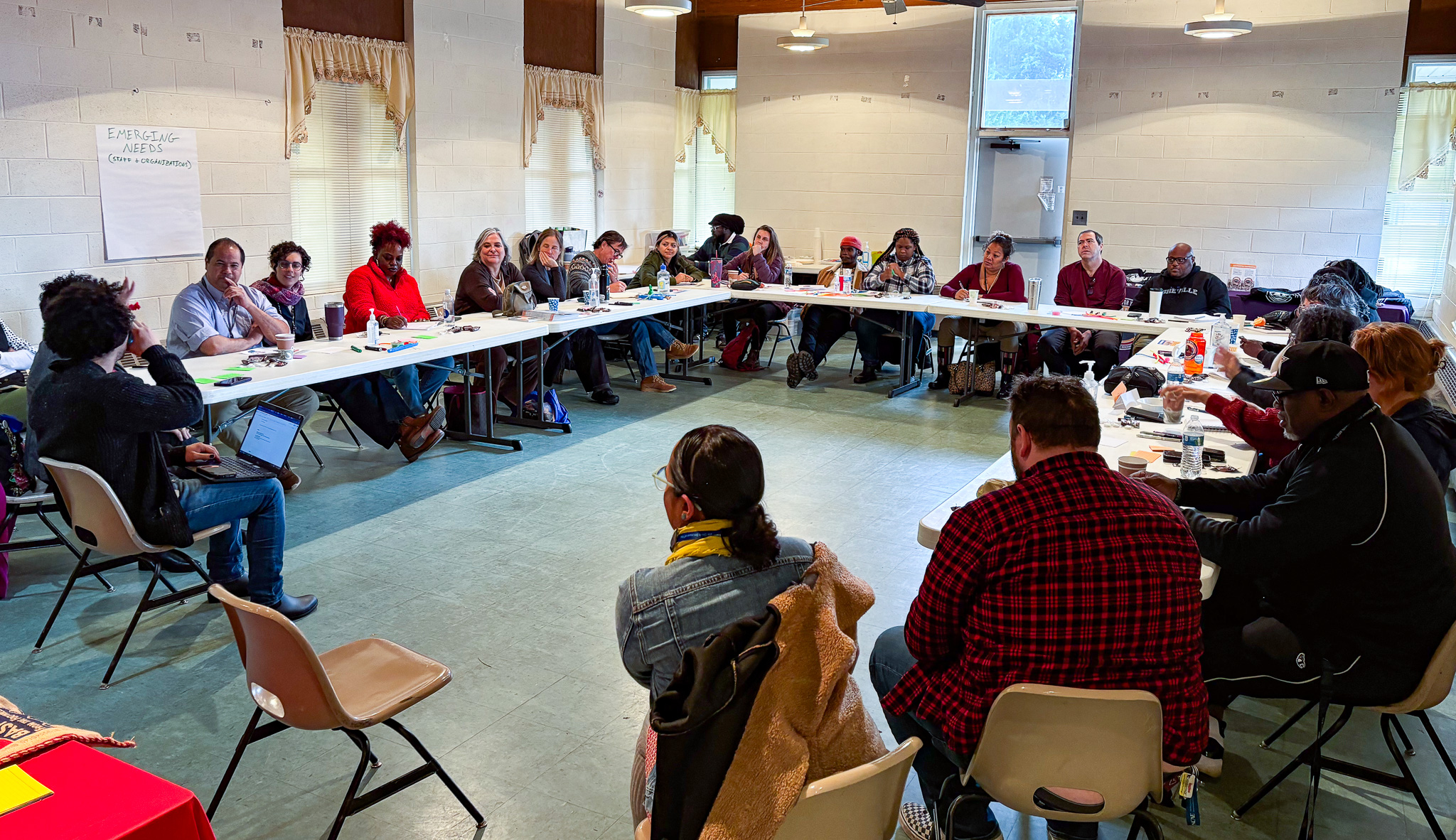
What followed was not a single decision, but a process rooted in both evidence and lived experience. Over the course of months, the group engaged regional specialists to analyze youth-focused data across schools, nonprofits, and statewide trends. Just as importantly, they created space to listen. There, they focused on centering the voices of young people and families whose daily realities brought the data to life and informed practical decisions.
From that work, one priority rose to the surface: the critical role of Caring, Trusted, and Engaged Adults in youth's lives. This became the strategic focus guiding all United for Youth efforts—grounded in a simple but powerful belief that relationships are foundational to resilience, stability, and long-term success.
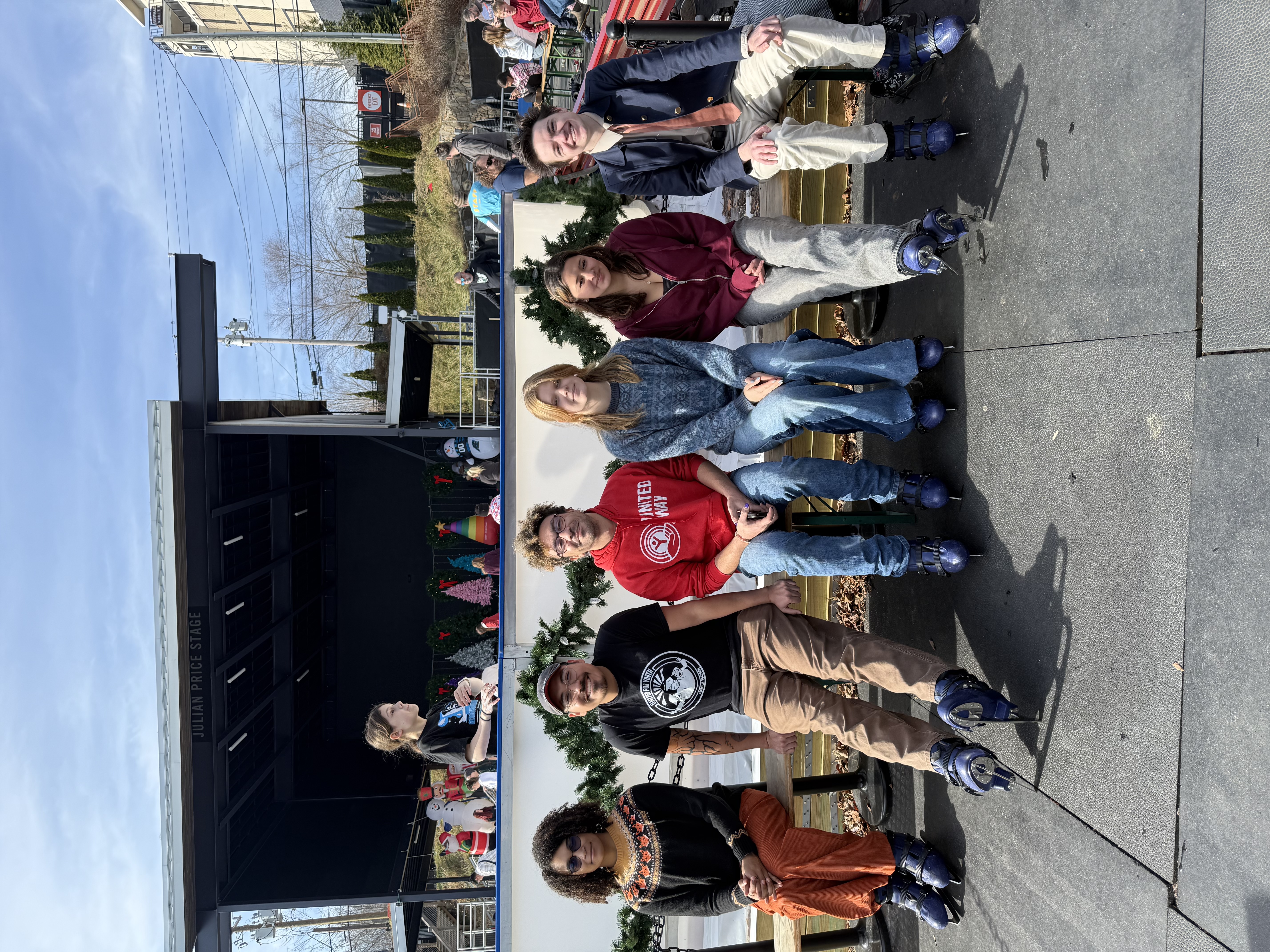
At the same time, the commitment to share leadership took shape in a tangible way. Guided by the principle “nothing for our children, without our children,” the Council of Young Advocates was established. Young people from across the county applied, interviewed, and stepped in as decision-makers.
Together, youth and adult leaders began defining what this focus would require to make on-the-ground work possible. These discussions led to the identification of six opportunity objectives, organized by four age ranges, each designed with a measurable metric, and to ensure that every young person has consistent access to caring, trusted, and engaged adults. The Council of Young Advocates and the United for Youth Leadership team then created opportunity objective workgroups. Each objective emphasizes increasing opportunities for youth through community and adult engagement. Objectives will require the development of an independent workgroup, called an Impact Team, while others will involve U4Y Backbone Staff working alongside existing group efforts to support community alignment amongst related initiatives and their respective goals.
The Impact Team workgroups, organized by six opportunity objectives, are as follows:
Early Childhood Education Impact Team: Birth to age 5

Parents and caregivers can easily access resources within their communities that help provide a nurturing and healthy environment.

Career pathways for Early Education attract new, diverse, and motivated teachers.
Elementary Literacy Impact Team: K— 6th Grade

Dedicated, highly-trained educators ensure foundational reading skills that bring all students to grade-level reading.
Mentorship Impact Team: Grades 4th — 9th

Culturally-reflective adult and near-peer mentors and mentoring opportunities offer guidance, support, and encourage dreaming.
Career Pathways Impact Team: Grades 10th +

Quality, well-supported, paid internships and apprenticeship pathways offer practical experience and career preparation.

Support networks provide guidance and resources for college-bound students before and during higher education enrollment.
Today, dozens of community leaders—from business professionals to deeply committed residents—are actively engaged in Impact Team workgroups. While the youth and adult leadership teams continue to monitor data and lived experiences, those closest to the work are driving implementation—bringing creativity, accountability, and real-time insight to ensure this effort leads to positive change.
Don't Stop Here:
- Want to get involved in the United for Youth Workgroups? Contact: alex.ramirez@unitedwayabc.org
- Learn how this work connects to UWABC's focus area of Youth Opportunity here
- Support this work: Donate today